Erotic 80s

1983: MTV Aesthetics, Flashdance and Risky Business (Erotic 80s Part 6) by Karina Longworth

Listen to this episode on Apple Podcasts or Spotify.

While the music video was still in its infancy as a cultural phenomenon, two films were released that were accused of aping the “MTV aesthetic”: Adrian Lyne’s Flashdance, and Risky Business, which turned Tom Cruise into a major star. Today we’ll talk about what the “MTV aesthetic” was and why it was considered a big deal for movies to be influenced about it, and we’ll examine how both of these movies treated sex work and race within the context of 80s social mores and Reagan capitalism.

SHOW NOTES:  

Sources:

Hollywood Animal by Joe Esterhas

They Can Kill You But They Can’t Eat You by Dawn Steel

Imagining the Mulatta: Blackness in U.S. and Brazilian Media Paperback by Jasmine Mitchell, May 25, 2020

Pittsburgh And Dance, by Janet Maslin, the New York Times, April 15, 1983

Movie Review: When The Plot Is Just A 'Flashdance' In The Pan by Sheila Benson, Los Angeles Times, April 15, 1983

Ok, Jennifer, Who Did The Dancing? by Deborah Caulfield, Los Angeles Times, April 1983

Truth In Dancing by Marvin Jones, Los Angeles Times, May 1, 1983

Sure-footed Beals, Screen International, Issue 402, July 9, 1983

The Real Flashdancer Finally Gets Her Due, by Fawn Vrazo, Philadelphia Inquirer, August 8, 1983

High Concept: Don Simpson and the Hollywood Culture of Excess by Charles Fleming, apnews.com 

Flashdance, by Roger Ebert April 19, 1983 

Film Reviews: Flashdance, Variety, Apr 20, 1983

Film View; Under The 1983 Chic, Movies Still Leer At Women by Janet Maslin, May 22, 1983 the New York Times 

'Invisible Marketing' Helps 'Flashdance' Sell by Aljean Harmetz, Special To the New York Times June 4, 1983

MTV Aesthetics At The Movies: Interrogating A Film Criticism Fallacy, Journal of Film and Video, Vol. 59, No. 3, Fall 2007, pp. 15-31, Published By: University of Illinois Press

Beals Would Prefer Yale to Stardom, Los Angeles Times, Oct 8, 1982 

Flashdance' Star Taps Her Own Beat London, Michael. Los Angeles Times, May 8, 1983

Flashdance, The Dead End Kid by Kathryn Kalinak, Jump Cut: A Review of Contemporary Media, no. 29, February 1984, pp. 3-5

Bein’s Believing by Gary Susman, Time Magazine, April 14, 2013

‘Flashdance,’ 30 Years Later: B-Boy Recalls Girling Up for Final Scene, Yahoo.com, April 15, 2013

What Hurt Feelings: The Untold Story Of The 31-Year Battle Over "Flashdance" Buzzfeed.com, Aug 14, 2014 

‘I’ve Had Letters From Klansmen’: Jennifer Beals on Flashdance, The L Word and fighting to get Diverse Stories Told by Zoe Williams, The Guardian, Mon Feb 7, 2022

The Flashdance Phenomenon When 'Flashdance' Premiered 17 Years Ago, Movies and Music Were Welded Together by Rebecca Ascher-Walsh, Entertainment Weekly, April 21, 2000

Jennifer Beals: Sultry Student Strikes Stardom In 'Flashdance', Jet Magazine, June 6, 1983 

Risky Business by Duane Byrge, The Hollywood Reporter, Vol. 277, Iss. 45, Jul 25, 1983

Film Reviews: Risky Business CART.Variety (Archive: 1905-2000); Los Angeles Vol. 311, Iss. 13,  (Jul 27, 1983): 21

Film: Paul Brickman's 'Risky Business' by Janet Maslin, The New York Times, Aug. 5, 1983 

He Coos And She Bills In 'Risky Business': 'Risky Business' by Sheila Benson, Los Angeles Times, Aug 5, 1983

Risky Business: Kid Cruise Critiques Capitalism, In honor of the Drafthouse's Summer of '83 screening, resident Tom Cruise expert Amy Nicholson talks RISKY BUSINESS! by Amy Nicholson, birthmoviesdeath.com, May. 31, 2013

Cameron Crowe on Tom Cruise, Interview Magazine via theuncool.com, May, 1986

My Wild Summer With Tom Cruise: Women, Sean Penn and the Making of ‘Risky Business’ By Curtis Armstrong, The Hollywood Reporter, June 21, 2017

"Risky Business" Director: “Some People Like The Visibility. I Don't", The Reclusive Director Of The 1983 Hit Talks To Salon About The Film, Tom Cruise, And Turning Down "Forrest Gump by Jake Malooley, Salon.com, September 2, 2013

Why It Took So Long For MTV To Play Black Music Videos by Margena A. Christian, Jet Magazine, October 9, 2006

Flashback: David Bowie Rips Into MTV for Not Spotlighting Black Artists, Interview from MTV, 1983, Rollingstone.com 

The 500 Greatest Songs Since You Were Born: Number 1, Blender, October 2005

How the 'Billie Jean' Video Changed MTV by Tamara Palmer, theroot.com, March 10, 2013

Jets, Jeans and Hovis by Sam Delaney, The Guardian, Aug 23, 2007

Special Section on MTV, Film Comment, July/August 1983 

Please note: as an Amazon Associate Karina earns from qualifying purchases. #ad

Tom Cruise in Risky Business, 1983

Music:

The music used in this episode, with the exception of the intro, was sourced from royalty-free music libraries and licensed music collections. The intro includes a clip from the film Casablanca.  

Excerpts from the following songs were used throughout the episode: 

"Rumoi Night" - Kokura Station
"Dimming Circuit" - Limoncello
"Pxl Htra" - The Fence
"Kovd" - Fjell
"Even Dreams of Beaches" - Resolute
"Trek VX" - Limoncello
"Pxl Deter" - The Fence
"Hutter" - Pglet
"Still Nite" - Pglet
"Pxl Cray" - The Fence
"The Killjoy Brothers" - Kittyhawk
"Gamboler" - Pglet
"Readers Do You Read" - Chris Zabriskie

Credits:

This episode was written, narrated, and produced by Karina Longworth.

Our editor this season is Evan Viola. 

Research and production assistant: Lindsey D. Schoenholtz.

Social media assistant: Brendan Whalen.

Logo design: Teddy Blanks.
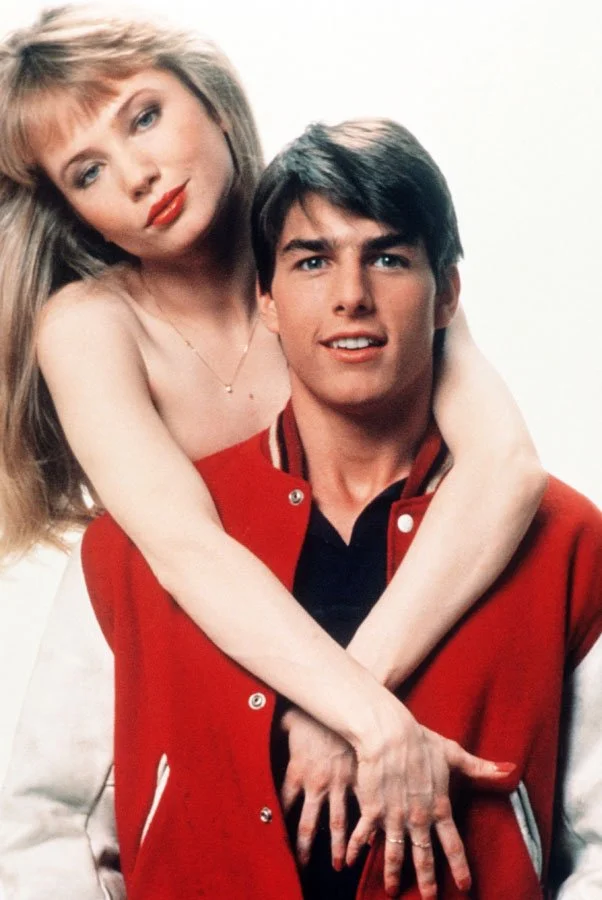
Rebecca de Mornay and Tom Cruise, Risky Business, 1983
1982: Teen Sexploitation, Fast Times at Ridgemont High, Porky's and The Blue Lagoon (Erotic 80s Part 5) by Karina Longworth

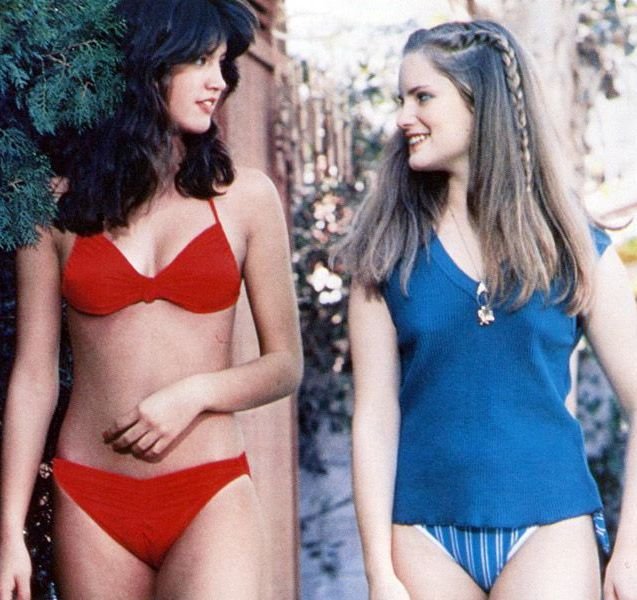
Phoebe Cates and Jennifer Jason Leigh in Fast Times at Ridgemont High, 1982

Listen to this episode on Apple Podcasts or Spotify.

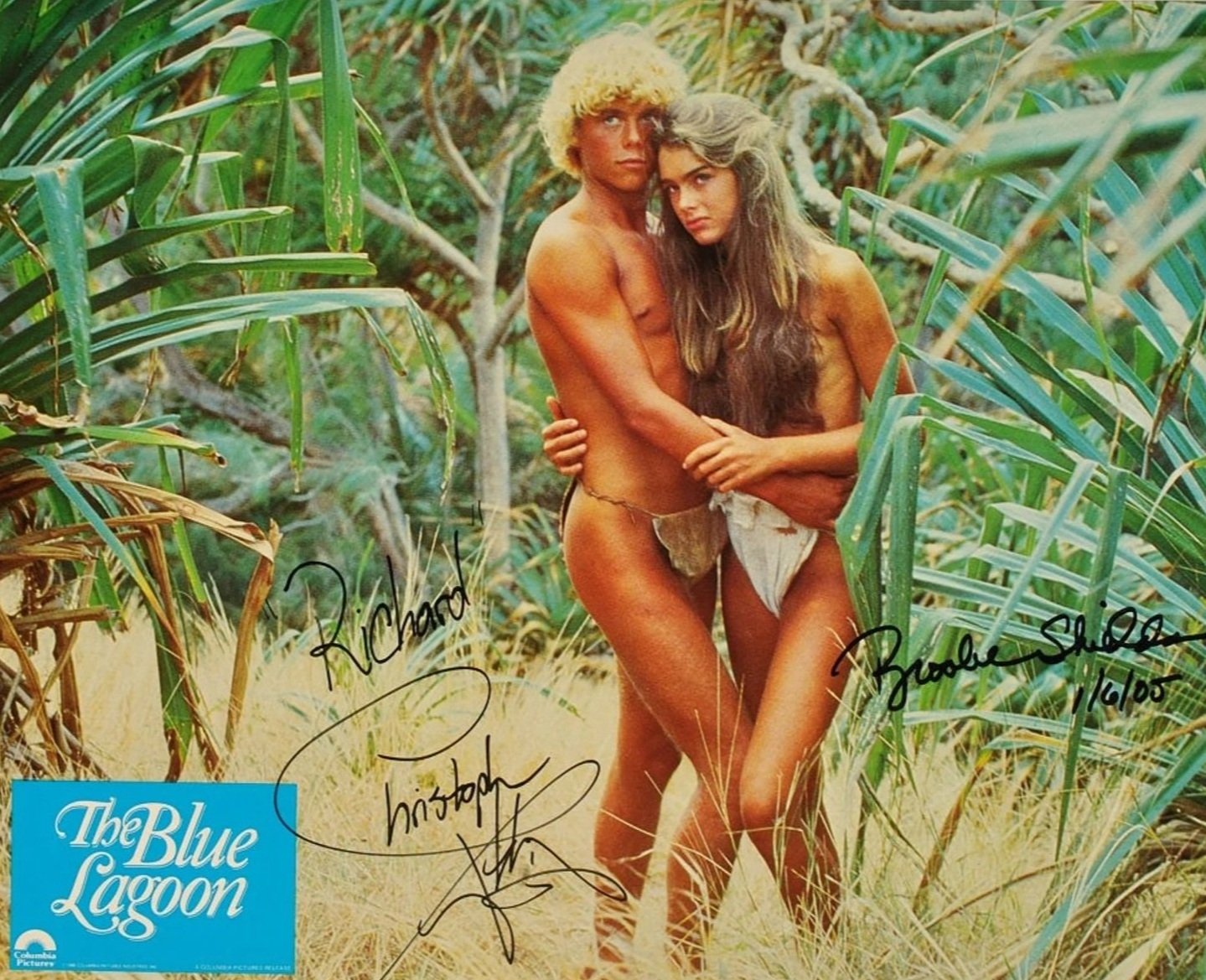
1982 saw the release of three hit high school-set comedies about sex: Porky’s, The Last American Virgin and Fast Times at Ridgemont High. The only one to survive as a classic, Fast Times turned Phoebe Cates – who also appeared in the Blue Lagoon rip-off Paradise the same year – into a frozen-in-time icon of adolescent sexuality. Today we’ll talk about this sudden explosion of teen sex on movie screens, and compare Cates’s public persona and attitude to on-screen sexuality to that of Blue Lagoon star Brooke Shields.

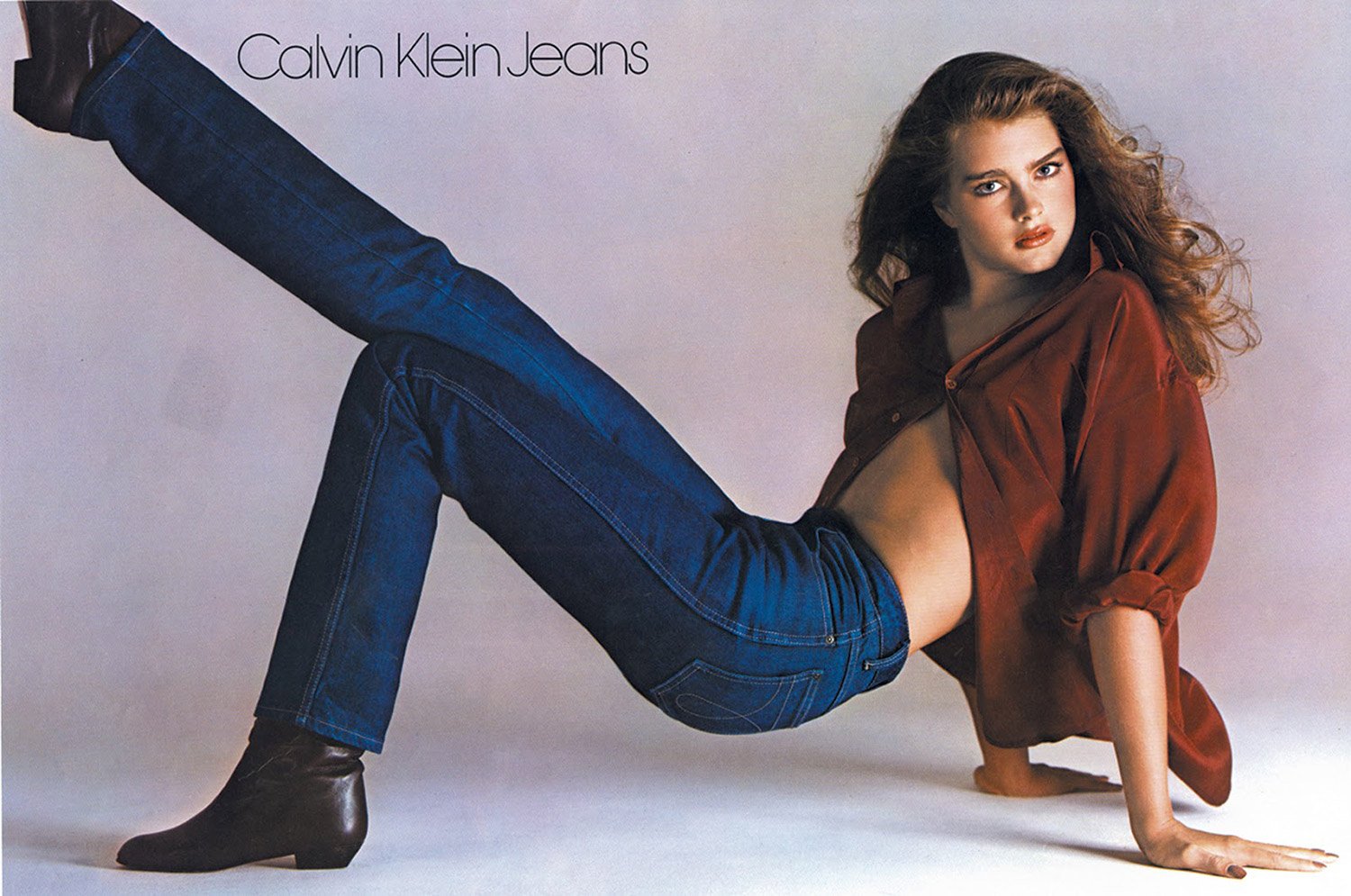
Brooke Shields in a 1980s Calvin Klein ad

SHOW NOTES:  

Sources:

Long Live the New Flesh! Or, Why Video Stores With Real Employees Will Always Win, By Ross Scarano, Matt Barone, Complex.com, Nov 06, 2013

Teen Sexploitation --The Young Girls Talk: Movies by Kristine Mckenna, Laura Daltry Los Angeles Times, Sep 25, 1983

’They Want us to Look’ Through the Lens of the Teen Sex Comedies of the Early 1980’s by Andy Selsberg, believermag.com, May 1, 2006

In ’80s Comedies, Boys Had It Made. Girls Were the Joke. by Wesley Morris, New York Times, Oct. 4, 2018

The 'R' Rating-A Lure Or A Barrier by Susan Heller Anderson, New York Times, May 2, 1982

The Movie No Theaters Thought Worth Showing; Rationale Explained Atkins Used Alone in Publicity Focus on Scantily Clad Youths Some Controversy Stirred by by Aljean Harmetz, New York Times, Nov. 4, 1980

Brooke Shields Tells the Story Behind Her 80's Calvin Klein Jeans Campaign, Vogue.com, October 28, 2021

Joseph Cates, 74, a Producer Of Innovative Specials for TV by Robert Mcg. Thomas Jr., New York Times, Oct. 12, 1998

Audio discussion from 1982 with Amy Heckerling at the American Film Institute, from the Fast Times at Ridgemont High Criterion Edition

New Talent Featured in ‘Fast Times' by Kevin Thomas, Los Angeles Times, August 13, 1982

The Life and Times of ‘Fast Times’” Dale Pollack, Los Angeles Times

Watching Innocence Take Wing by Charles Champlin, LA Times, September 2, 1982

Jennifer Leigh and Her Trip Trom X to R, New York Times, September 3, 1982

Fast Times' Director On Fast Track To Fame by Lawrence O’Toole, The Globe and Mail, 10 Sep 1982

Fast Times at Ridgemont High 1 Star Review by Roger Ebert, January 01, 1982

The Test Screening That Almost Killed Fast Times at Ridgemont High by Dana Stevens, Slate.com, May 27, 2021

Pheobe Cates Cover & Story, Interview Magazine, June 1982, Vol 12 Iss 6

Jennifer Jason Leigh Can Be Fearless Because it’s Pretend by Phoebe Cates, Photographed by Eli Russell Linnetz, Interview, September 14, 2018

Film Reviews: Paradise, Variety Vol. 307, Iss. 2, May 12, 1982

Paradise Review Box Office Vol. 118, Iss. 7, Jul 15, 1982

‘Paradise': A Lovers' Oasis Revisited by Kevin Thomas, Los Angeles Times, May 7, 1982

A Suitful Of Trouble In 'Paradise': Film Clips by Deborah Caulfield, Los Angeles Times, May 19,  1982

Judge Rejects Attempt to Block Advertisement for 'Paradise' Los Angeles Times, May 20 1982

Paradise Star Phoebe Cates Hangs Her Own Film with a One-Word Review—'Rip-Off' by Josh Hammer, People Magazine, June 14, 1982

Film Review: Blue Lagoon, Variety, Jun 11, 1980

Despite Success, a Tough Fight for Backing” The Philadelphia Inquirer, July 7, 1980

The Blue Lagoon, The Director A Common Denominator,  The Cincinnati Post, July 11, 1980

Brooke Shields Cover & Fashion Spread, Vogue Magazine, October 1980

Brooke Shields, US Magazine, May 15, 1979

The Day Blue Jeans Became Sexual; Those TV Ads Anger Some - But They Sell by Julie Hatfield Globe Staff, Boston Globe, October 16, 1980

WNBC Also Bans Sultry Jeans Ads, New York Times, Nov. 21, 1980

Brooke Shields on Barbara Walters c. 1980/81

Brooke Shields Calls Her 1980 Interview With Barbara Walters “Practically Criminal” By Emily Kirkpatrick,Vanity Fair, December,  7, 2021 

There Was a Little Girl: The Real Story of My Mother and Me by Brooke Shields

Please note: as an Amazon Associate Karina earns from qualifying purchases. #ad

Music:

The music used in this episode, with the exception of the intro, was sourced from royalty-free music libraries and licensed music collections. The intro includes a clip from the film Casablanca.  

Excerpts from the following songs were used throughout the episode: 

"Rumoi Night" - Kokura Station
"Dimming Circuit" - Limoncello
"Pxl Htra" - The Fence
"Kovd" - Fjell
"Even Dreams of Beaches" - Resolute
"Trek VX" - Limoncello
"Pxl Deter" - The Fence
"Hutter" - Pglet
"Still Nite" - Pglet
"Pxl Cray" - The Fence
"The Killjoy Brothers" - Kittyhawk
"Gamboler" - Pglet
"Readers Do You Read" - Chris Zabriskie

Credits:

This episode was written, narrated, and produced by Karina Longworth.

Our editor this season is Evan Viola. 

Research and production assistant: Lindsey D. Schoenholtz.

Social media assistant: Brendan Whalen.

Logo design: Teddy Blanks.

1981: Neonoir, Body Heat and Postman Always Rings Twice (Erotic 80s Part 4) by Karina Longworth

Listen to this episode on Apple Podcasts or Spotify.

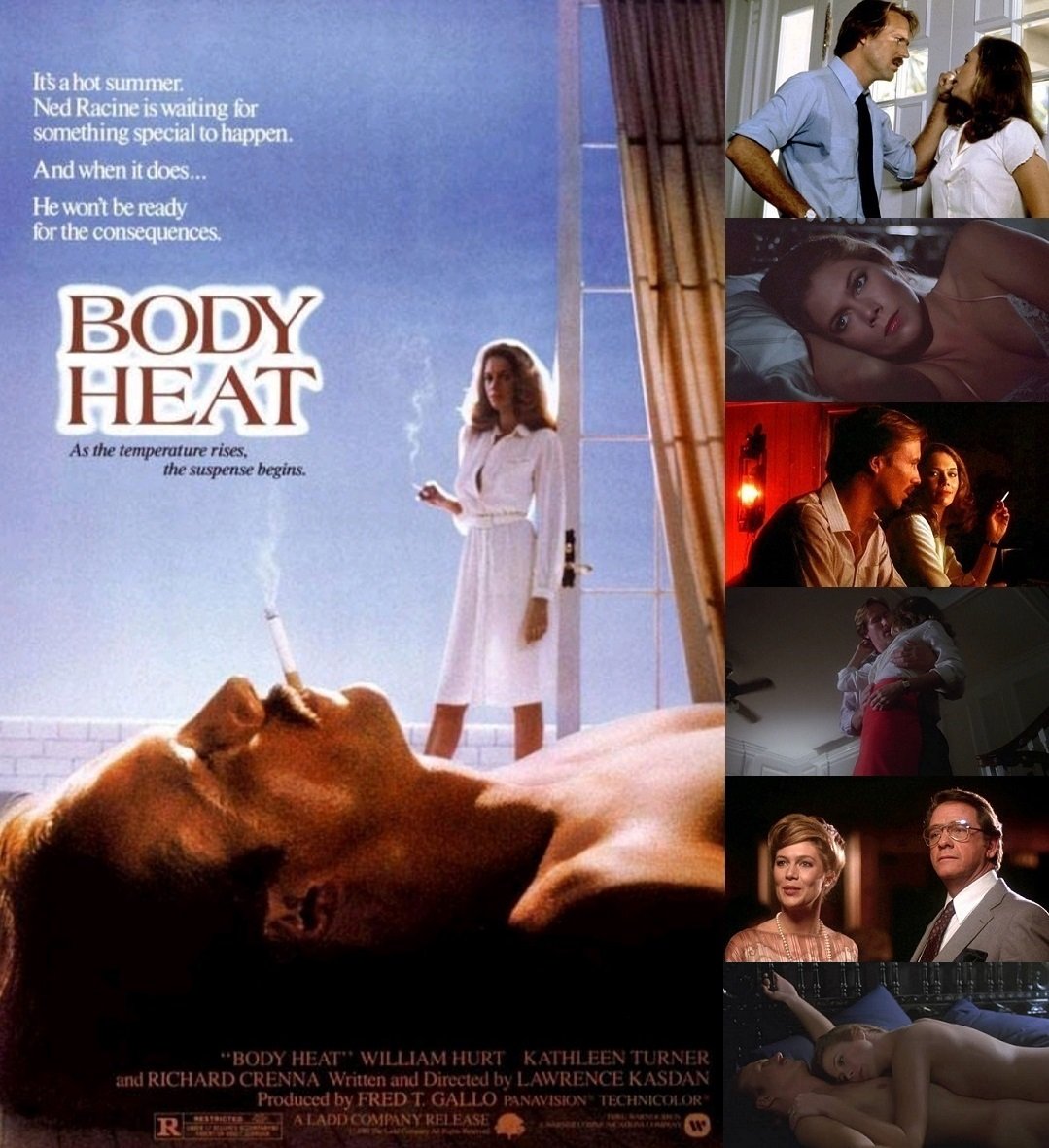
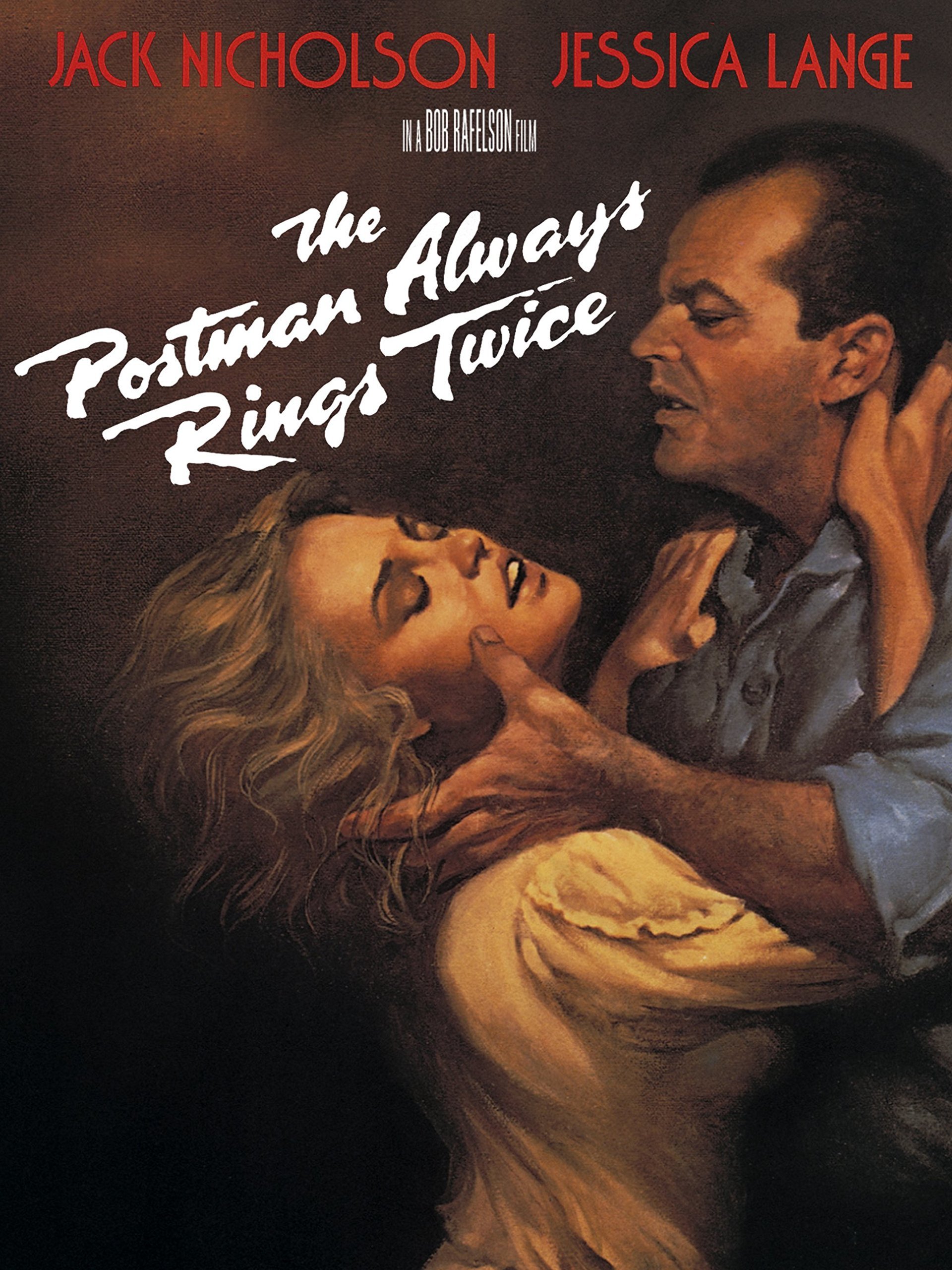
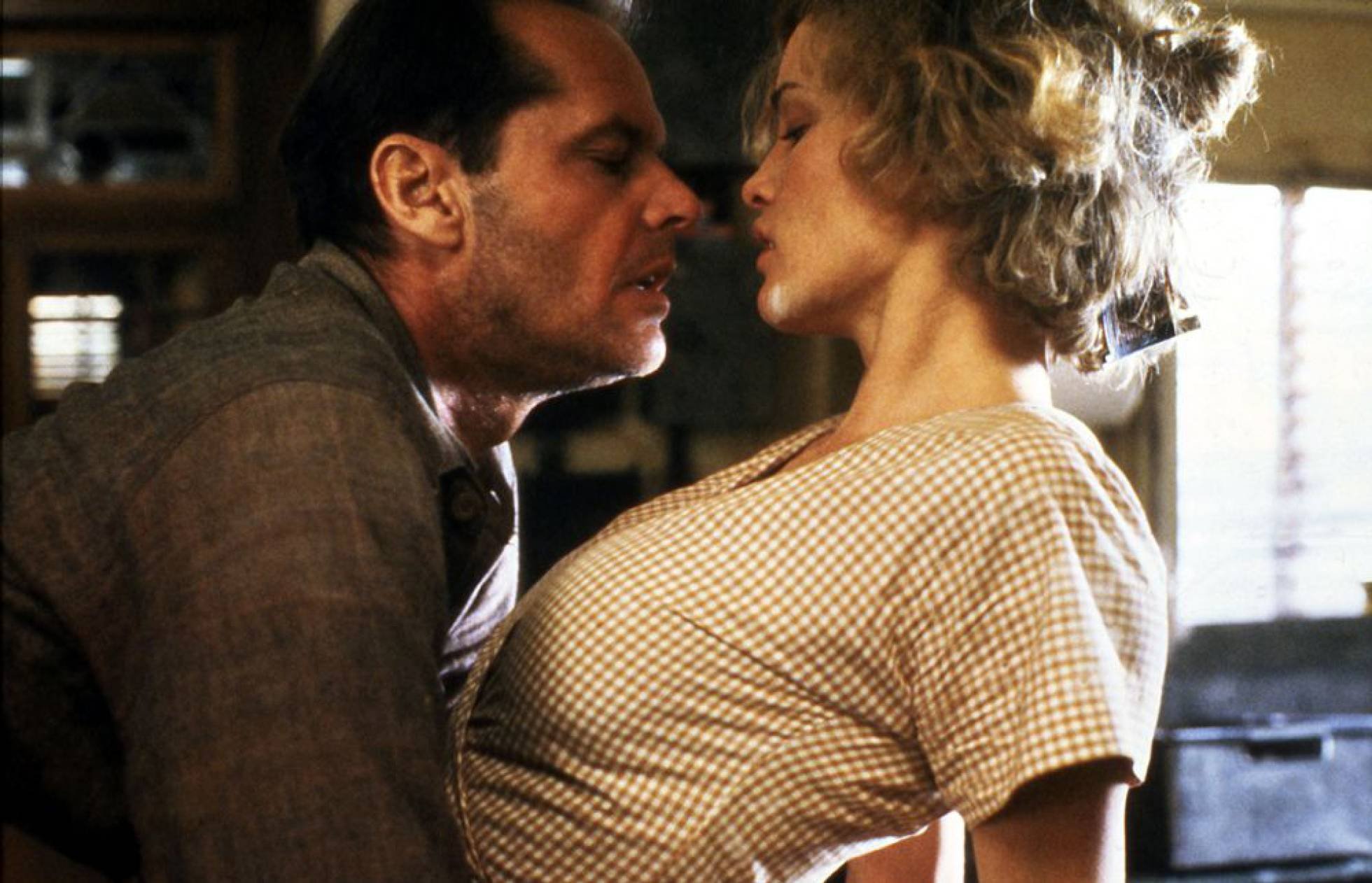
The New Hollywood directors of the late 1960s and 70s were the first generation of Hollywood filmmakers to grow up studying Hollywood movies as art. In 1981-1982, a number of those directors made actual or virtual remakes of classic Hollywood noir films, including Lawrence Kasdan’s Body Heat, and Bob Rafelson’s The Postman Always Rings Twice; and Paul Schrader’s Cat People. What was the value of revisiting the tropes and narratives of 1940s noirs in the 80s, beyond the fact that the sexual relationships implied in the original movies could now be depicted graphically? Today we’ll talk about how these films played into the personas of stars Jack Nicholson and Kathleen Turner, how they challenged the standards of what could be shown in movies of the 80s – and how and why they were received extremely differently.

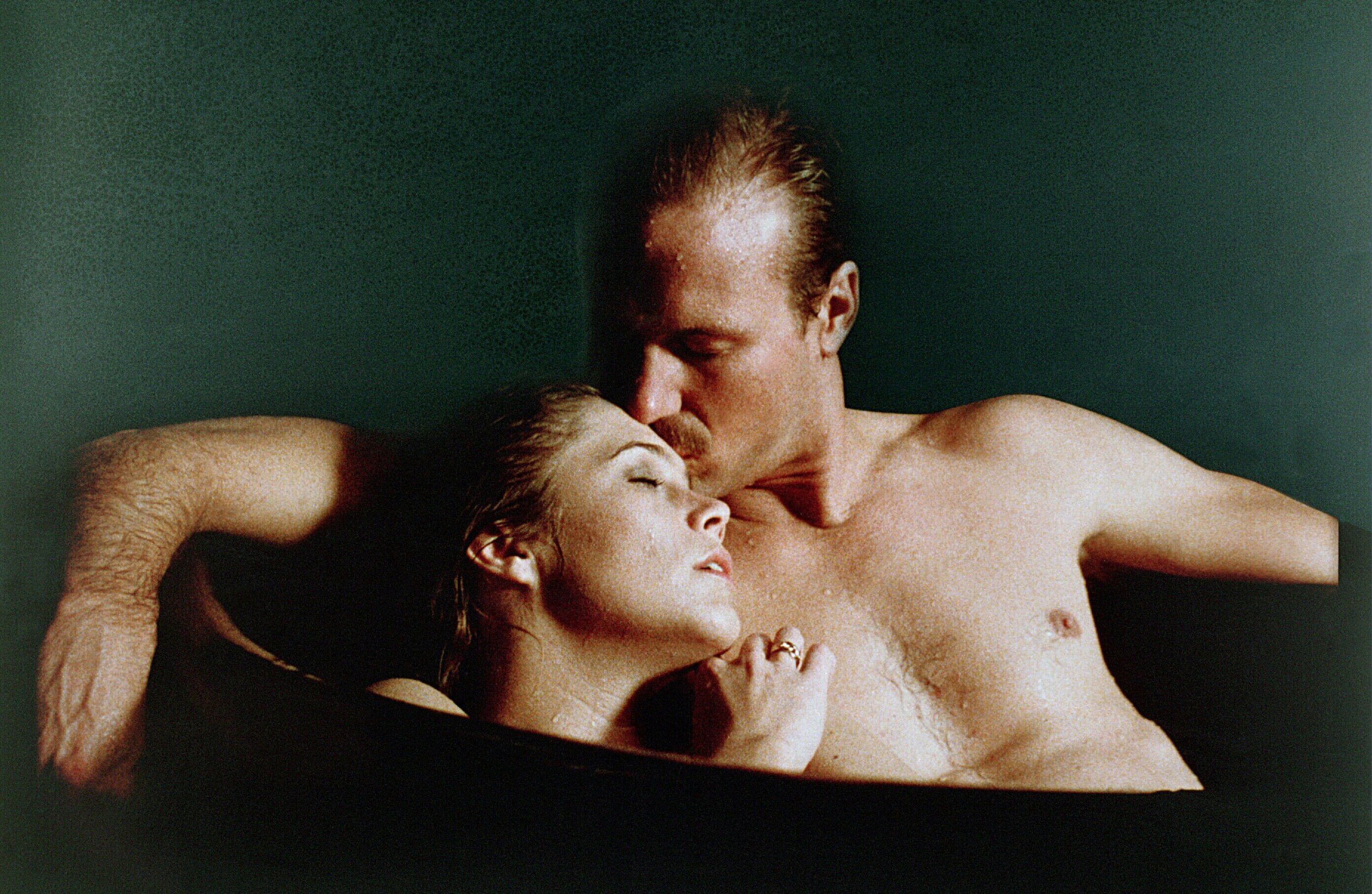
William Hurt and Kathleen Turner in Body Heat, 1981

SHOW NOTES:  

Sources:

Easy Riders Raging Bulls: How the Sex-Drugs-And Rock 'N Roll Generation by Peter Biskind

Send Yourself Roses: Thoughts on My Life, Love, and Leading Roles Kindle Edition by Kathleen Turner 

Lawrence Kasdan Knows How To Listen, Hear Him Talk by F.X. Feeney. Written By Magazine, August 2001

Detours and Lost Highways: A Map of Neo-Noir by Hirsch Foster

Pictures: Hurt And Turner For 'Body Heat' Leads Variety, Los Angeles Vol. 300, Iss. 13, Oct 29, 1980

Body Heat by Arthur Knight, The Hollywood Reporter; Hollywood Vol. 268, Iss. 7, Aug 17, 1981

Film review: Body Heat, Variety; Los Angeles Vol. 304, Iss. 3, Aug 19, 1981

Cinema: Torrid Movie, Hot New Star TIME Magazine By Richard Corliss Monday, Aug. 24, 1981 

Reviews: BODY HEAT by David Linck, Boxoffice; New York Vol. 10, Iss. 117, Oct 1, 1981

Film View; THE PLEASURES OF 'BODY HEAT' New York Times, By Vincent Canby Oct. 25, 1981

'Body Heat' at 40: Kathleen Turner recalls 'misguided' decision to film all-nude sex scene on the first day Yahoo Movies Kevin Polowy·Senior Correspondent, Yahoo Entertainment August 27, 2021

Kathleen Turner, Playboy, May 1986 

Kathleen Turner, Cover & The Queen Of Curves, Vanity Fair, September 1986, Brad Gooch Annie Leibovitz

Body Heat Review by Pauline Kael, New Yorker, Nov 11, 1981  

The Postman Always Rings Twice by Roger Ebert, January 01, 1981

The Postman Always Rings Twice by Robert Osborne, The Hollywood Reporter, Hollywood Vol. 265, Iss. 47, Mar 13, 1981

Film review: The Postman Always Rings Twice, Variety, Los Angeles Vol. 302, Iss. 7, Mar 18, 1981 

A New 'Postman Always Rings Twice' By Vincent Canby, New York Times March 20, 1981 

Jack Nicholson, GQ Magazine, March 1981

Jack Nicholson, Film Comment, March-April 1981

Jack Nicholson, Rolling Stone, April 16, 1981

The Story Is The Same But Hollywood Has Changed By Janet Maslin, New York Times, April 26, 1981

Jessica Lange Life with Barishnikov and Baby, People Magazine, June 15, 1981 

Jessica Lange Blond Obsession, Rolling Stone Magazine, March 1983 

Jessica Lange: From King Kong to The Postman, New York Magazine, April 1981

Jessica Lange, Naturally by David Richards, Washington Post, October 5, 1984

The Postman Always Rings Twice, AFI Catalogue of Feature Films

The Monologist and the Fighter: An Interview with Bob Rafelson Rainer Knepperges and Franz Müller, April 2009, Senses of Cinema, Conversations on Film Issue 50

"Let Me Put It This Way: It Works for Me": An Interview with Bob Rafelson by Monika Raesch, Journal of Film and Video (2013) 65 (3): 49–55

Bob Rafelson Emerges to Reflect on His Feud-and-Brawl-Filled CareerRafelson profile, Esquire by Josh Karp, Apr 2, 2019


Please note: as an Amazon Associate Karina earns from qualifying purchases. #ad

Production still on set of American Gigolo 1980) with Paul Schrader and Richard Gere | Photo Courtesy of The University of Texas at Austin

Music:

The music used in this episode, with the exception of the intro, was sourced from royalty-free music libraries and licensed music collections. The intro includes a clip from the film Casablanca.  

Excerpts from the following songs were used throughout the episode: 

"Rumoi Night" - Kokura Station

"Pxl Htra" - The Fence

"Even Dreams of Beaches" - Resolute

"The Killjoy Brothers" - Kittyhawk

"Pxl Eventuat" - The Fence

"Four Cluster" - Fornax

"Vik Fence Haflak" - The Fence

"Vengeful" - Warmbody

"Tower of Mirrors" - TinyTiny Trio

"Pxl Cray" - The Fence

"Ion Cruiser" - Kokura Station

"Pxl Deter" - The Fence

"Readers Do You Read" - Chris Zabriskie

Jack Nicholson and Jessica Lange in The Postman Always Rings Twice, 1981

Credits:

This episode was written, narrated, and produced by Karina Longworth.

Our editor this season is Evan Viola. 

Research and production assistant: Lindsey D. Schoenholtz.

Social media assistant: Brendan Whalen.

Logo design: Teddy Blanks.

1980: Richard Gere and American Gigolo (Erotic 80s Part 3) by Karina Longworth

Listen to this episode on Apple Podcasts or Spotify.

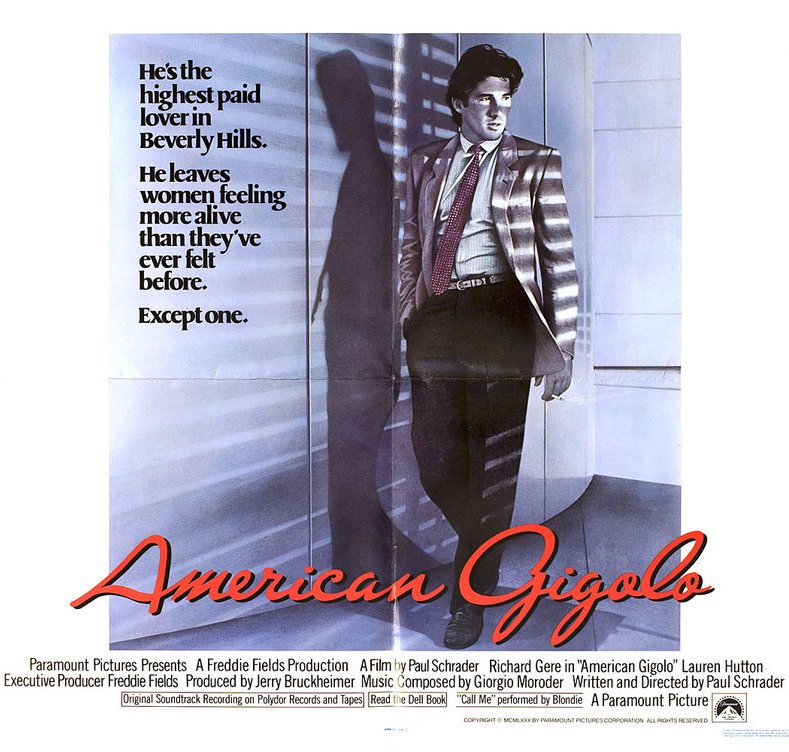
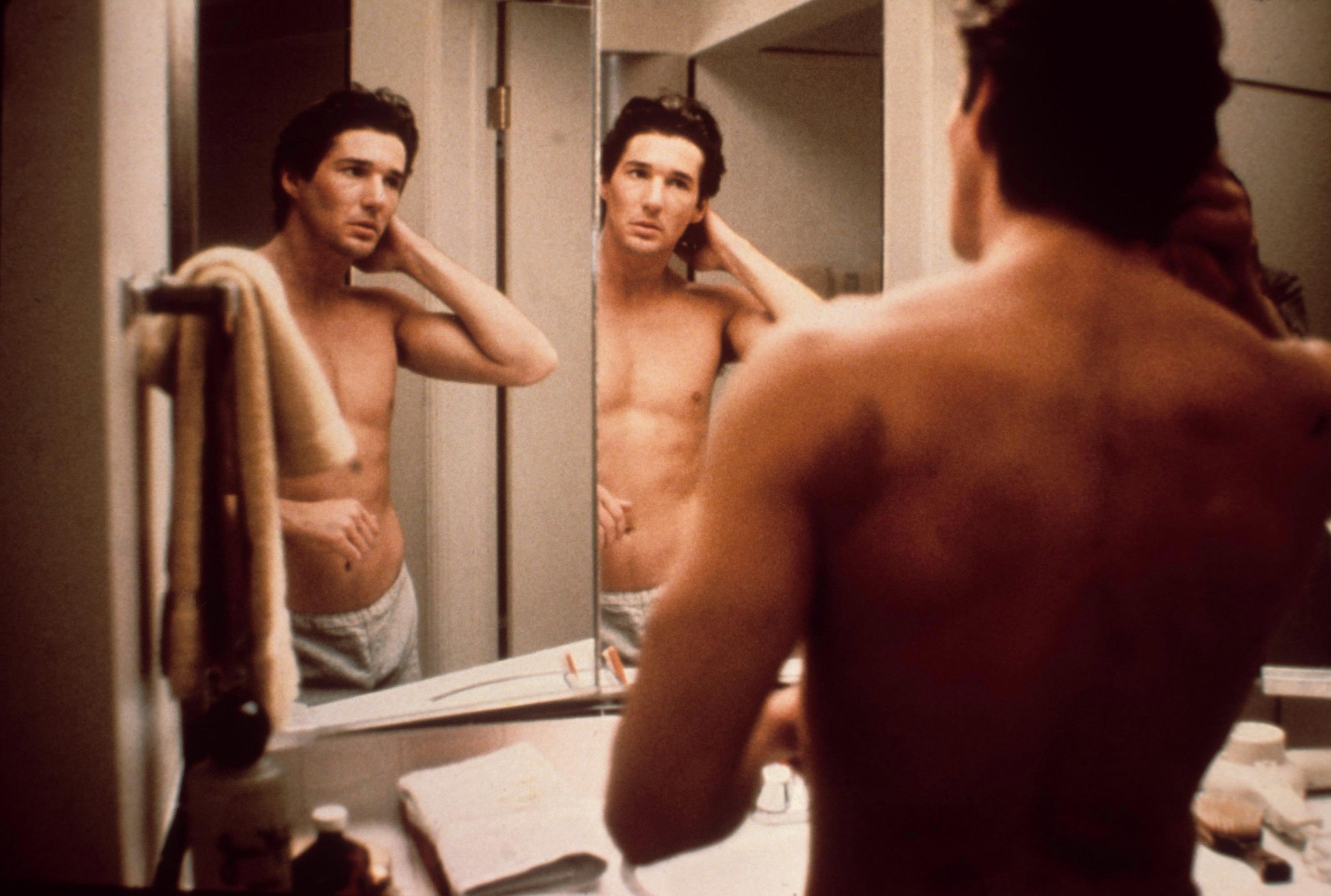
One of the most aesthetically influential movies of the ‘80s, Paul Schrader’s American Gigolo sets a template for much of what we’re going to discuss this season: it’s about sex as a conduit for wealth, masks and double lives, and the role of danger in desire. Today we’ll talk about the sexual persona of Gigolo star Richard Gere in the early 1980s; the ways in which Gigolo and other films from 1980 (Dressed to Kill, Cruising) grapple with straight male anxiety over gay male visibility; and the tension between the promotion of sex-positivity for women and the anti-feminist backlash.

Richard Gere in American Gigolo 1980

SHOW NOTES:  

Sources:

Film Reviews: American Gigolo, Variety, Jan 30, 1980

American Gigolo, Films in Review, March 1980, Vol 31 Iss 3

American Gigolo Review, by Arthur Knight, The Hollywood Reporter, 1980
Schrader Deep In 'Gigolo', Variety; Vol. 298, Iss. 4, Feb 27, 1980

Screen: 'American Gigolo,' a Southern California Melodrama: Gauging the Glitter By Vincent Canby, The New York Times, Feb 1, 1980

WET Magazine – Vol. 4, No. 4, Issue 22, Jan/Feb 1980

“The Male Idols” Newsweek, May 23,1983

GQ Magazine September 1979 

Playgirl, June 1985

"Richard Gere: Stripped Down and Sexy" Rolling Stone, March 6, 1980

Call Me! American Gigolo swaggered into theaters 40 years ago this month and forever rocked the worlds of film, fashion, music, and sex. An oral history by Lili Anolik, Feb 8, 2020

Schrader by Schrader & Other Writings, edited by Kevin Jackson

Easy Riders Raging Bulls: How the Sex-Drugs-And Rock 'N Roll Generation by Peter Biskind

Was Hemingway Gay? There's More to His Story By Christopher Lehmann-Haupt, The New York Times, November 10, 1994

The Rise of Richard Gere by Hollis Alpert. American Film, October 1979

On the Make with American Gigolo by Steven M. Silverman. American Film October 1979

As Hollywood Gigolo or Broadway Gay, Richard Gere Slouches Toward Stardom, People Magazine, April 7, 1980

Playboy Viewpoint: The New Puritans, Playboy, November 1980

Playboy Isn’t Playing: An Interview with Judith Bat-Ada 

Travolta to leave the starring role of 'American Gigolo', The Hollywood Reporter, Vol. 255, Iss. 5,  Jan 23, 1979

Stateside: All for the good of 'Gigolo' by Tony Crawly, Screen International Iss. 209, Sep 29, 1979

The Rise Of Richard Gere by Hollis Alpert, American Film Vol. 5, Iss. 1,  Oct 1, 1979

Please note: as an Amazon Associate Karina earns from qualifying purchases made when you click the links above. #ad

Production still on set of American Gigolo 1980) with Paul Schrader and Richard Gere | Photo Courtesy of The University of Texas at Austin

Music:

The music used in this episode, with the exception of the intro, was sourced from royalty-free music libraries and licensed music collections. The intro includes a clip from the film Casablanca.  

Excerpts from the following songs were used throughout the episode: 

"Rumoi Night" - Kokura Station

"Pxl Htra" - The Fence

"Even Dreams of Beaches" - Resolute

"The Killjoy Brothers" - Kittyhawk

"Pxl Eventuat" - The Fence

"Four Cluster" - Fornax

"Vik Fence Haflak" - The Fence

"Vengeful" - Warmbody

"Tower of Mirrors" - TinyTiny Trio

"Pxl Cray" - The Fence

"Ion Cruiser" - Kokura Station

"Pxl Deter" - The Fence

"Readers Do You Read" - Chris Zabriskie

Credits:

This episode was written, narrated, and produced by Karina Longworth.

Our editor this season is Evan Viola. 

Research and production assistant: Lindsey D. Schoenholtz.

Social media assistant: Brendan Whalen.

Logo design: Teddy Blanks.

1979: Bo Derek and 10 (Erotic 80s Part 2) by Karina Longworth

Listen to this episode on Apple Podcasts or Spotify.

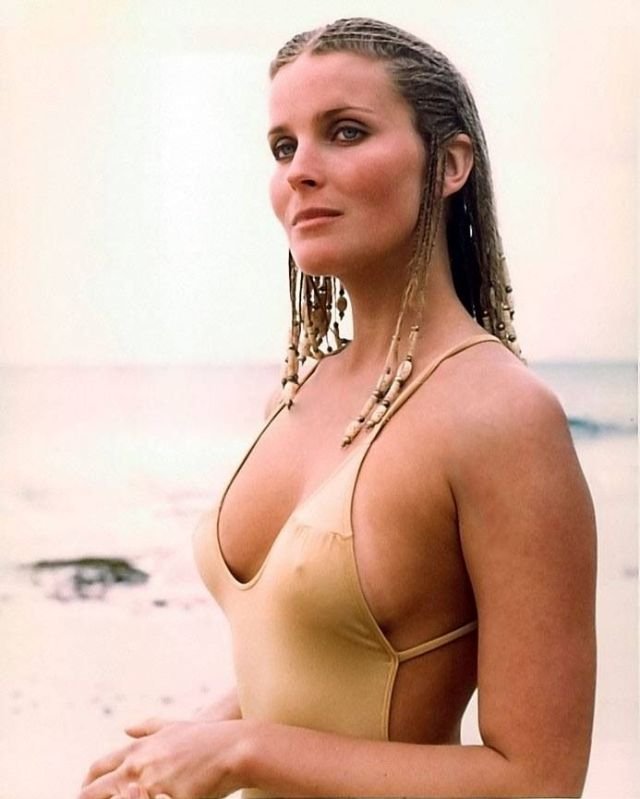
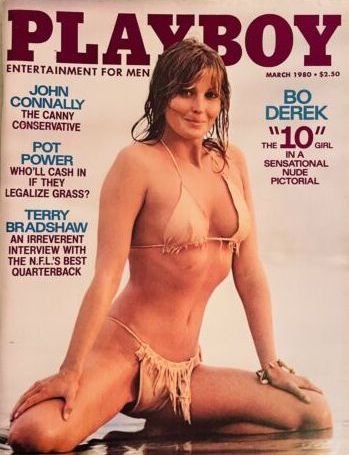
The sleeper hit of late 1979 was Blake Edwards’s sex farce 10, a comedic vivisection of a male midlife crisis, which turned 23-year-old California girl Bo Derek into a controversial cultural phenomenon. Derek’s early fame was framed in the media through the lens of her marriage to John Derek, who was 30 years her senior and who she met when she was 16. Today we’ll talk about Derek’s reign as a sex-positive bombshell in a time of extreme double standards, 10’s strangely prescient understanding of toxic masculinity, and the problem of how to frame teenage sexuality for adult consumption. 

SHOW NOTES:  

Sources:

Riding Lessons by Bo Derek

Bo Derek”, People Magazine, December 24, 1979

“The Most Beautiful Girl In The World” Newsweek, October 15, 1979

“John Derek created a '9' in his own image and called her Bo: Bo Derek--The making of a 10” Jeff Silverman, Chicago Tribune, Nov 18, 1979

“Heating Up With John and Bo Derek by Henry Allen, Washington Post, January 29, 1980

“Agents Are Paid 10%, But Husbands Get More” by Judy Mann, Washington Post, January 30, 1980

“Bolero: An exclusive, on-location preview of –¡Caramba!--Bo Derek’s hot new movie. By David Lewin, US Magazine November 21, 1983.

“Fantasies Uncovered” by Pat H. Broeske, Peter H. Brown And Jim Pinkston, LA Times, Aug. 31, 1986 

“Bo Derek” by Hayley Phelan, Photographed by Stas Komarovski Interview Magazine, February 23, 2016

“Here's Why Kim Kardashian Crediting Her Fulani Braids To Bo Derek Is Problematic” by Samantha Callender, Essence.com, October 24, 2020

Please note: as an Amazon Associate Karina earns from qualifying purchases made when you click the links above. #ad

Bo and John Derek c. 1981

Music:

The music used in this episode, with the exception of the intro, was sourced from royalty-free music libraries and licensed music collections. The intro includes a clip from the film Casablanca.  

Excerpts from the following songs were used throughout the episode: 

"Rumoi Night" - Kokura Station

"Pxl Htra" - The Fence

"Even Dreams of Beaches" - Resolute

"The Killjoy Brothers" - Kittyhawk

"Pxl Eventuat" - The Fence

"Four Cluster" - Fornax

"Vik Fence Haflak" - The Fence

"Vengeful" - Warmbody

"Tower of Mirrors" - TinyTiny Trio

"Pxl Cray" - The Fence

"Ion Cruiser" - Kokura Station

"Pxl Deter" - The Fence

"Readers Do You Read" - Chris Zabriskie

Credits:

This episode was written, narrated, and produced by Karina Longworth.

Our editor this season is Evan Viola. 

Research and production assistant: Lindsey D. Schoenholtz.

Social media assistant: Brendan Whalen.

Logo design: Teddy Blanks.

Porno Chic and The Brief Heyday of X Ratings (Erotic 80s Part 1) by Karina Longworth

Listen to this episode on Apple Podcasts or Spotify.

Here in 2022, there is more public conversation about the nuances of human sexuality–and sexual abuse and harassment–than at any time in modern history. And yet, sex has all but disappeared from mainstream American movies, most of which would pass the sexual standard set by the strict censorship of the Production Code of the 1930s.

This season of You Must Remember This will explore the relatively brief period, beginning in the 1970s and ending around the end of the millennium, when Hollywood movies explored the sexual lives, mores and fantasies of adults with degrees of candor, realism and imagination not seen before or since. Why did genres like the erotic thriller, body horror, neo-noir and the sex comedy flourish in the 80s and 90s, what was happening culturally that made these movies possible and popular, and why did Hollywood stop taking sex seriously? 

This season will unfold in two parts: Erotic 80s, beginning today, and after a brief summer hiatus, Erotic 90s in the fall. Each episode will examine a single year, and one or more films that share a genre, a theme or a star, with topics ranging from the politics of porn, to the first camcorder sex tape scandal, to the sexualization of teens to Hollywood’s lingering fear of interracial coupling. Some of the stars and filmmakers whose work we’ll explore include Tom Cruise, Richard Gere, Sharon Stone, Julia Roberts, Stanley Kubrick, Brian DePalma, and much, much more. 

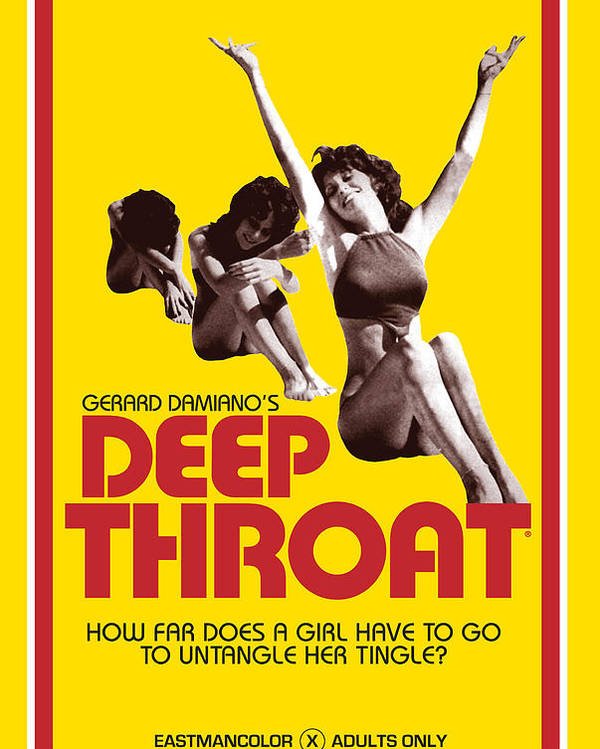
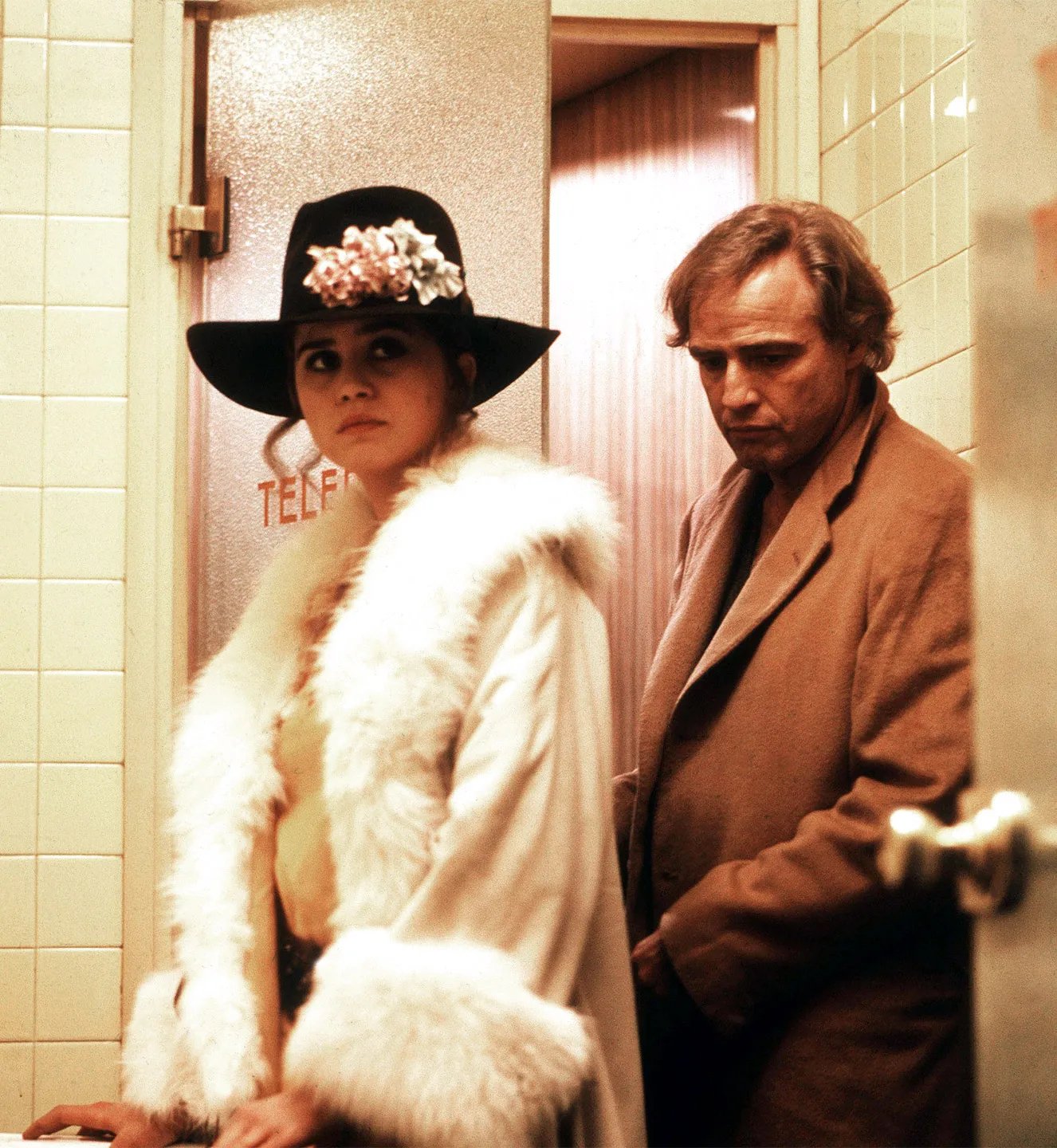
In 1968, the Production Code gave way to the ratings system, and the brief legitimacy of the X-rated movie. Today we’ll focus on two massive, X-rated hits released within a year of one another in 1972-1973: Deep Throat, the first hardcore porn movie to become a mainstream blockbuster; and the international art film sensation Last Tango in Paris. Both of these hits were products of a male-centered sexual revolution, and both of their female stars later described making these movies as equivalent to being raped. We’ll talk about how both films gave Hollywood permission to intermingle sex and violence in the name of both profits and art, and how both have been reassessed as documents of violence against women.

Deep Throat at the Rialto Theater, Minneapolis, MN.

Music:

The music used in this episode, with the exception of the intro, was sourced from royalty-free music libraries and licensed music collections. The intro includes a clip from the film Casablanca.  

Excerpts from the following songs were used throughout the episode: 

"Rumoi Night" - Kokura Station

"Ion Cruiser" - Kokura Station

"Pxl Htra" - The Fence

"The Killjoy Brothers" - Kittyhawk

"Four Cluster" - Fornax

"Single Still" - Vermouth

"Levander Crest" - Reflections

"Readers Do You Read" - Chris Zabriskie

Last Tango in Paris, 1972

Credits:

This episode was written, narrated, and produced by Karina Longworth.

Our editor this season is Evan Viola. 

Research and production assistant: Lindsey D. Schoenholtz.

Social media assistant: Brendan Whalen.

Logo design: Teddy Blanks.